Bookish: A Whimsical Machine Embroidery Design Review
As a designer who spends more time staring at stitch simulations than actual sunlight, I am always on the hunt for machine embroidery design files that strike the right balance between charm and technical reliability. When I first pulled up the Bookish file on my screen, the immediate reaction was one of genuine delight. There is a specific mood this design captures—a cozy, intellectual whimsy that feels perfectly timed for the current market trend toward cottagecore aesthetics and personalized reading nooks. However, liking a design on a monitor is very different from trusting it on a client's custom apparel or a high-traffic tote bag. Today, I am breaking down how Bookish performs in real-world scenarios, specifically looking at its viability for small shop products and handmade gifts.
First Impressions and Visual Personality
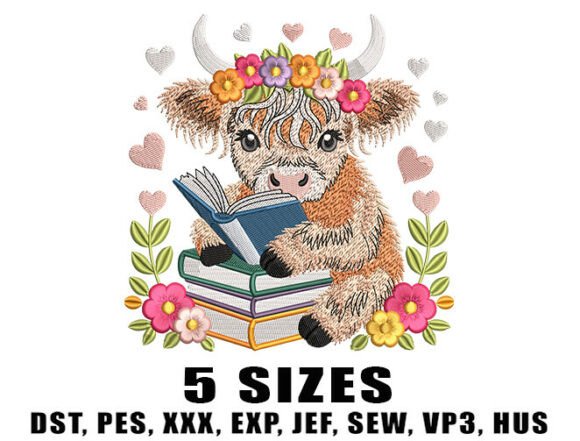
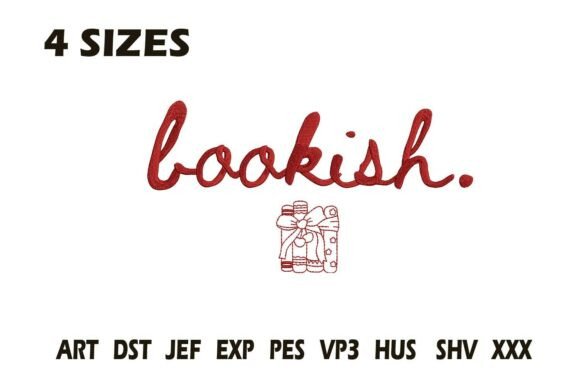
The layout of Bookish suggests a playful narrative. It does not scream for attention with aggressive density or overly complex shading; instead, it relies on clean lines and a clever composition that hints at a love for literature without being literal. For an Etsy seller or craft business owner, this subtlety is gold. It allows the design to sit comfortably on various items without overwhelming the base material. The visual personality leans heavily into the School category but with a modern, boutique twist. It feels less like a uniform logo and more like a statement piece for someone who identifies as a reader. This distinction is crucial when positioning your finished product in a crowded marketplace.
Real-World Application: The Tote Bag Test
To truly evaluate an embroidery file, you have to imagine it in motion. My first thought for Bookish was a canvas tote bag. This is a staple item for book lovers, and the design fits the context perfectly. When stitching onto canvas or heavy cotton, the stitch density appears sufficient to hold its shape without sinking into the weave. I envision using a fill stitch for the main elements to provide solid coverage, perhaps accented with a satin stitch border to define the edges sharply against the fabric texture.
In a real production run, this design would excel as a tote bag design for library fundraisers, indie bookstore merchandise, or personal personalized gift bundles. The scale seems adaptable, meaning it could work as a central chest graphic or a smaller pocket accent. For a small shop product, the versatility adds value. You aren't locked into one specific garment type; the design's inherent simplicity allows it to translate well across different custom apparel options.
Navigating Fabric Challenges and Hoop Constraints
While Bookish shines on stable fabrics like denim, twill, or canvas, caution is advised when moving to trickier materials. If you plan to use this for sweatshirt embroidery on fleece or French terry, the fabric texture can sometimes cause small details to get lost. In these cases, I strongly recommend using a cutaway stabilizer rather than tear-away. The extra support ensures that the running stitch details remain crisp and do not pucker after the hoop is removed.
Another consideration is the hoop size. While the design looks compact, always verify the dimensions against your machine's capabilities before committing to a project. If you are attempting this on a cap or a curved surface, ensure the digitizing accounts for the push-pull factor of curved embroidery. Tiny lettering or intricate corners can distort on a six-panel cap if the underlay isn't robust. For baby embroidery projects, such as a onesie or a nursery pillow cover, ensure the back of the stitching is clean and free of loose jumps, as comfort is paramount for infant wear.
Commercial Viability and Brand Consistency
For commercial embroidery professionals, consistency is key to building customer trust. Bookish offers a level of professionalism that elevates a simple item into a branded asset. Whether you are creating design assets for a teacher appreciation week or crafting holiday embroidery gifts for a literary club, the design maintains its integrity. It does not look cheap or hastily digitized. This perceived quality directly impacts the price point you can command for your handmade product.
When creating printable mockup images for your online store, this design photographs well. The contrast between the thread and the fabric tends to pop in photos, which drives buyer engagement. However, remember to test your thread colors carefully. A high-contrast palette might look bold, but a tonal approach could offer a more sophisticated, vintage feel suitable for boutique branding. Always run a test stitch-out on scrap fabric that matches your final product to confirm the color interplay.
Practical Notes for the Working Designer
Before launching Bookish as a core part of your inventory, there are a few housekeeping steps every responsible creator should take. First, inspect the small details. Zoom in on your software to check for any potential thread breaks or excessive trims that could slow down production. Second, consider the washing instructions for your end user. Dense areas may require specific care to prevent stiffness over time.
Most importantly, clarify the licensing terms. Just because a design is available does not automatically grant rights for unlimited digital embroidery file resale or mass production. Confirm whether the license allows for selling finished physical goods versus reselling the file itself. This protects your craft business from legal headaches down the road. Additionally, if you are offering this as part of a service, be transparent with clients about how the design will look on their specific choice of fabric, especially if they opt for dark or textured materials where a white underlay might be necessary.
Final Verdict on Bookish
Bookish is a strong contender for anyone looking to add a touch of literary flair to their embroidery project lineup. It balances aesthetic appeal with practical stitch engineering. While it requires standard due diligence regarding stabilizers and fabric choices, its adaptability makes it a reliable tool for creating memorable personalized gifts and profitable small-batch goods. By respecting the technical limitations and leveraging its charming style, you can turn this digital file into a tangible product that resonates with readers and collectors alike.