Candy Heart Number -0: A Craft Fair Review
As an embroidery designer who has spent countless weekends behind a booth table, I know that the difference between a browser and a buyer often comes down to visual impact. When I first loaded the Candy Heart Number -0 onto my machine, I was looking for more than just a digitized character; I was looking for a sales tool. This fill stitch embroidery font is carefully digitized for smooth stitching and professional results, designed specifically for embroidery machines. It promises to be perfect for personalizing clothing, bags, towels, and other items. But does it hold up under the harsh fluorescent lights of a convention center or the natural light of an outdoor market? Let’s break it down from the perspective of someone who needs to turn thread into profit.
First Impressions: The Visual Hook
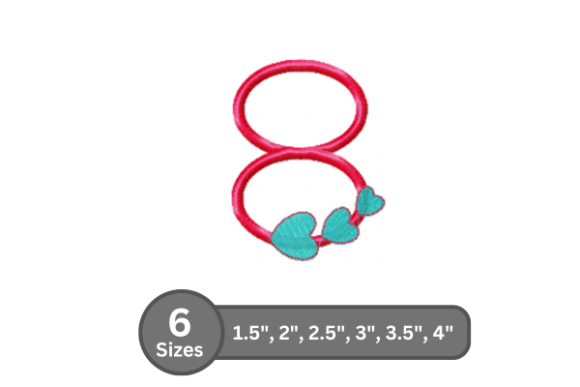
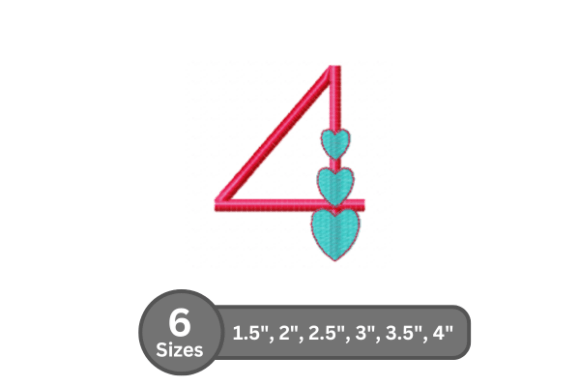
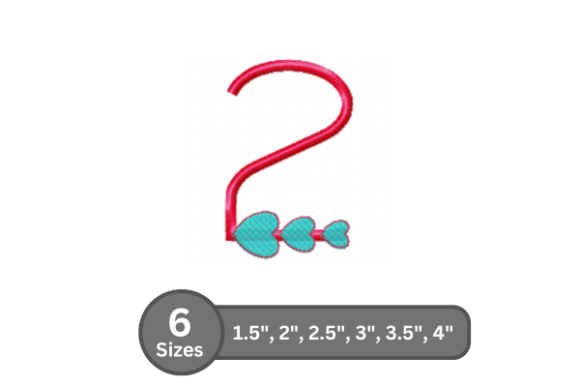
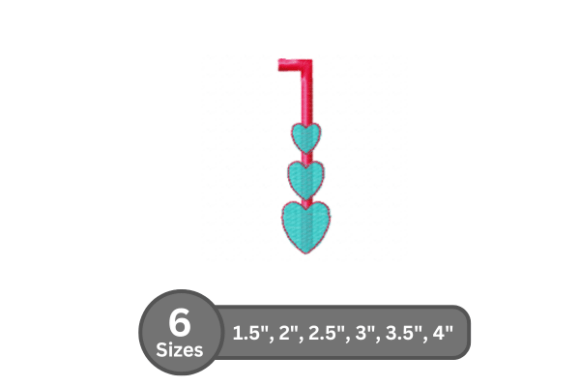
The immediate impression of Candy Heart Number -0 is one of playful nostalgia mixed with modern cleanliness. The "Candy Heart" descriptor suggests a soft, rounded aesthetic, likely reminiscent of conversation hearts or sweet treats. In the context of a School product category, this design feels approachable and friendly. It is not overly ornate or difficult to read, which is crucial for quick decision-making at a craft fair. The fill stitch construction gives it substance, allowing it to stand out against various fabric textures without getting lost. For an Etsy seller or boutique maker, this means the design communicates its message instantly. It feels cute yet structured, striking a balance that appeals to parents, teachers, and anyone looking for a personalized touch that isn't too childish but remains fun.
Product Versatility and Market Appeal
The true test of any machine embroidery design is its versatility. I imagined setting up a display with a variety of handmade products to see where this number would shine. Here is how I envision it performing across different items:
- Tote Bags and Market Bags: This is arguably the strongest application. A large tote bag design featuring the number zero, perhaps as part of a birthday age or a classroom number, creates a bold focal point. The fill stitches provide enough coverage to look premium on canvas or cotton totes.
- Apron Embroidery: For kitchen-themed booths, an apron with this number could signify a "Team Zero" or a playful baking theme. The smooth stitching ensures it withstands washing, a key concern for buyers of functional craft fair products.
- Tea Towel Embroidery: On textured linen or waffle-weave towels, the density of the fill stitch needs to be monitored. However, if the digitizing is as smooth as described, it adds a lovely tactile element to a simple tea towel embroidery project.
- Embroidered Patches: Creating standalone patches is a fantastic way to utilize single characters. An embroidered patch with this number can be sold as an add-on item, increasing the average order value at your booth.
- Caps and Hats: Curved surfaces are tricky. While the design is cute, I would caution against using it on very small caps unless the hoop size allows for proper scaling. It works best on structured caps where the fabric doesn't pucker.
Production Practicality for Small Shops
For those of us running a small shop product line, time is money. The description notes that this digital embroidery file is designed for smooth stitching. In practice, this means fewer thread breaks and less trimming time. When you are producing batch orders for a weekend market, consistency is key. The Candy Heart Number -0 appears to be a repeatable asset. Whether you are creating a set of numbered towels for a teacher or a series of birthday shirts, the uniformity of the fill stitch ensures that each finished product looks like it came from the same high-quality production line.
Photography is another critical factor. This design likely photographs well because fill stitches reflect light evenly, reducing shadows that can make satin stitches look uneven in online listings. For an Etsy seller, this means your printable mockup or real-life photos will look clean and professional, enhancing the perceived value of the item.
Careful-Use Notes and Technical Considerations
While the design is promising, experienced embroiderers know that digitizing claims must be tested. Here are some practical considerations to keep in mind when working with this embroidery file:
- Stitch Density: Fill stitches can be dense. On lightweight fabrics like thin cotton or rayon, this might cause puckering. Always use an appropriate stabilizer. A cut-away stabilizer is often safer for fill designs on garments that will be washed frequently.
- Fabric Texture: On thick or textured materials like terry cloth towels, ensure the needle is sharp enough to penetrate without pushing the fabric down. The design may lose clarity if the pile of the towel is too high, so consider using a topping stabilizer.
- Small Lettering and Details: If you scale this number down too much, the fill stitches may merge, losing the definition of the "candy heart" shape. Test the minimum viable size on scrap fabric before committing to a final product.
- Thread Colors: Since this is a fill design, thread choice dramatically changes the mood. Pastels will emphasize the "candy" aspect, while bold primaries might lean more into the School category. Contrast is vital; ensure the thread color stands out against the fabric texture and base color.
- Hoop Size: Confirm the recommended hoop size before purchasing. Ensure it fits your machine’s capabilities, especially if you plan to hoop multiple items at once for efficiency.
Enhancing Brand Consistency and Buyer Engagement
Using a cohesive set of design assets helps build brand recognition. If Candy Heart Number -0 is part of a larger font set, using it consistently across your commercial embroidery offerings can create a signature look. Customers begin to associate that specific rounded, filled aesthetic with your brand. This consistency strengthens your booth display, making it look curated rather than cluttered.
Furthermore, personalized items drive engagement. A customer seeing their child’s age or a significant number stitched in this charming font is more likely to stop and inquire. It transforms a generic item into a keepsake. For creative entrepreneurs, this emotional connection is what converts a casual observer into a loyal customer.
Final Designer Verdict
Before adding Candy Heart Number -0 to your production queue, always test the design on scrap fabric similar to your final product. Check the thread tension and inspect the back of the hoop for excessive buildup. Create at least one real mockup to gauge the visual appeal in person. Compare it against different fabric colors to ensure versatility.
Most importantly, confirm the commercial licensing terms. The description mentions it is designed for embroidery machines and personalization, but you must verify if the license allows for selling finished physical goods. Assuming the license permits it, this design is a strong contender for spring markets, back-to-school sales, and birthday-themed collections. It offers the right mix of professionalism and playfulness that today’s handmade market demands. With careful attention to stabilizer choice and thread contrast, Candy Heart Number -0 can be a reliable staple in your repertoire of best-selling items.