Cherry Knot Number - 9: A Designer's Review for Branding
As an embroidery designer who spends countless hours digitizing and testing files for commercial use, I approach every new machine embroidery design with a critical eye. It is not just about whether the stitches look pretty on the screen; it is about how that digital embroidery file performs when translated into a tangible asset for a small business. Today, I am reviewing Cherry Knot Number - 9, a stylish stitched font character intended for monograms and decorative text. While the product category lists it under School, my focus here is strictly on its viability for branded merchandise, custom apparel, and professional identity projects.
First Impressions: Visual Personality and Brand Fit
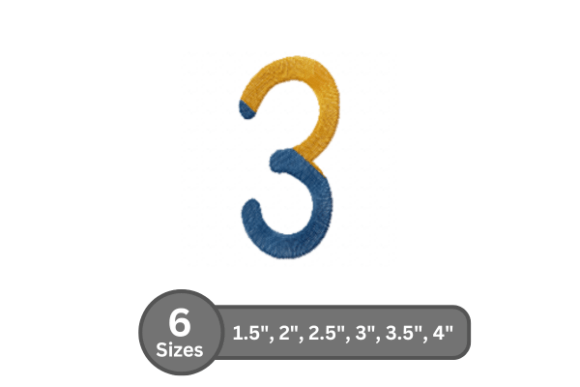
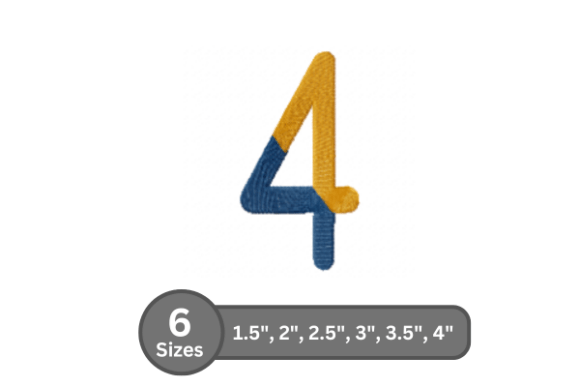
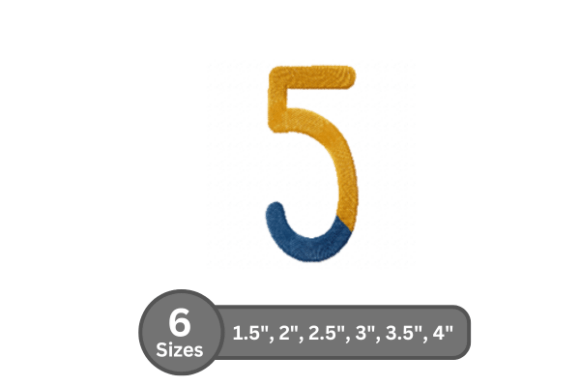
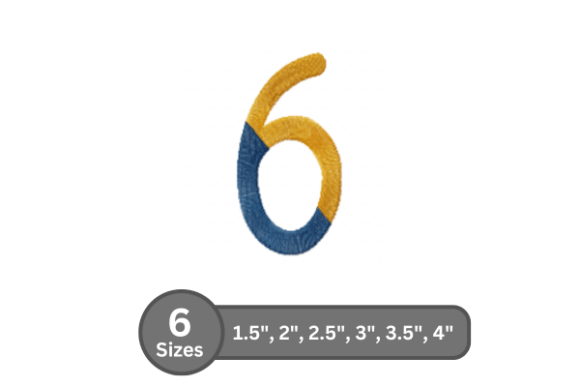
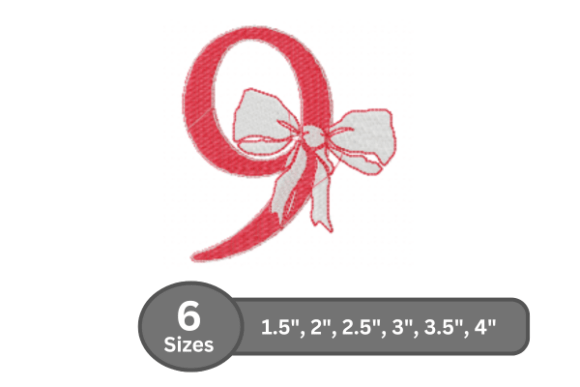
Upon loading the preview of Cherry Knot Number - 9, the immediate impression is one of playful elegance. The "Knot" descriptor in the title suggests a textured, perhaps slightly rustic or handmade aesthetic, which distinguishes it from standard block fonts. For a boutique bakery, a florist, or a creative studio, this visual personality is gold. It does not scream corporate rigidity; instead, it whispers of artisanal care. When evaluating a font for brand identity, we look for characters that convey the right emotion. This number feels friendly yet structured enough to maintain legibility. For businesses selling handmade product lines, using a font that mimics the texture of thread itself reinforces the value of the craft.
Real-World Application in Small Business Merch
The true test of any embroidery file is its versatility across different substrates. Cherry Knot Number - 9 shines when applied to specific small business merch scenarios. Imagine a local coffee shop wanting to number their aprons for staff identification without losing their cozy vibe. Using this design for apron embroidery adds a touch of whimsy that a standard Helvetica font simply cannot achieve. Similarly, for a pet brand creating limited edition bandanas or tote bags, incorporating this number as part of a larger logo or as a standalone series marker creates a collectible feel.
In the realm of custom apparel, this design works exceptionally well as a sleeve detail on work shirts or as a chest logo accent. Because it comes in multiple sizes, it offers the flexibility needed for different garment types. For cap embroidery, the curved surface requires a design that is not too wide or overly dense, and the stylistic nature of this knot font suggests it could sit comfortably on a front panel without distorting the hat's structure. Furthermore, for Etsy sellers creating personalized gifts, this character allows for high-value customization, turning a simple tote bag into a unique, numbered edition item.
Strategic Placement and Usage Cautions
While Cherry Knot Number - 9 is versatile, there are areas where caution is required. Any design with "knot" styling implies potential intricacy in the stitch path. When scaling this down for tiny embroidered patch applications, one must be wary of stitch density. If the knots are too tight or the details too fine, they may merge together on thick fabrics like canvas or denim, resulting in a loss of definition. It is crucial to test the smallest available size on the actual fabric texture intended for production.
Additionally, when working with dark uniforms, thread color contrast becomes paramount. A light-colored thread on a navy background might highlight the knot texture beautifully, but if the design relies on subtle shading, it could get lost. For items that require frequent washing, such as staff uniforms or kitchen aprons, ensure that the satin stitches forming the knots are secure and that the underlay is sufficient to prevent puckering over time. Curved surfaces, like the front of a baseball cap, also demand careful hooping; if the design is too rigid, it may not lay flat against the curve.
Impact on Brand Identity and Customer Trust
Consistency in visual assets builds trust. When a customer sees a cohesive look across your packaging, your staff uniforms, and your social media printable mockups, it signals professionalism. Cherry Knot Number - 9 can serve as a unifying element in your design assets. If used as a series indicator for product drops (e.g., "Batch No. 9"), it adds a layer of exclusivity and narrative to your brand. This attention to detail elevates the perceived value of the finished product. Customers are more likely to engage with a brand that demonstrates thoughtfulness in even the smallest details, such as the font choice on a hang tag or the numbering on a limited run of tote bags.
Practical Notes for the Professional Embroiderer
Before committing to a full production run for a client, I always recommend a rigorous testing phase. Here are my specific notes for integrating Cherry Knot Number - 9 into your workflow:
- Test in Black and White First: Remove color variables to see if the shape and stitch definition hold up on their own. This ensures the design works regardless of your thread colors.
- Check Small Patch Viability: Stitch the smallest available size onto a scrap piece of your target fabric. Verify that the "knot" details do not collapse.
- Review Stabilizer Needs: Given the likely texture of this font, choose a stabilizer that matches the fabric weight. Heavyweight cut-away might be necessary for stretchy knits to prevent distortion.
- Confirm Hoop Size: Although the description mentions multiple sizes, always verify the maximum dimensions against your machine's hoop size capabilities before promising a large-scale application to a client.
- Create a Mockup: Generate a realistic printable mockup for client approval. This helps manage expectations regarding how the digital file translates to physical thread.
- Verify Licensing: Since this is intended for commercial embroidery projects, double-check the license terms included with the download to ensure you have the rights to sell finished goods featuring this design.
In conclusion, Cherry Knot Number - 9 is more than just a decorative alphabet letter; it is a potential branding tool for the right business. Its stylish, stitched aesthetic bridges the gap between digital precision and handmade charm. Whether you are outfitting a school team, branding a boutique, or creating custom gifts, this design offers a unique flair. However, success lies in the preparation. By respecting the limitations of fabric texture, understanding the nuances of stitch density, and rigorously testing the file, you can transform this digital asset into a powerful component of your physical brand presence.