Stay Bookish Embroidery: A Designer’s Review
As a designer who spends more time staring at stitch simulations than actual fabric, I have learned to be skeptical of whimsical concepts. Often, "cute" translates to "messy" once the needle hits the cloth. However, when I first loaded the Stay Bookish Embroidery file into my software, I paused. There is a specific charm in designs that celebrate literacy and quiet moments, but executing them requires a delicate balance between playfulness and precision. This review breaks down how this design performs in real-world scenarios, moving beyond the digital preview to the tangible reality of a finished product.
First Impressions and Visual Personality
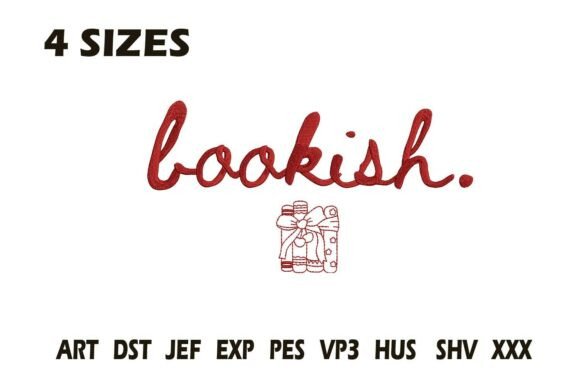
The immediate mood of Stay Bookish Embroidery is inviting and nostalgic. It does not scream for attention with aggressive saturation or overly complex detailing. Instead, it offers a gentle, whimsical touch that feels appropriate for a wide range of applications. The layout appears thoughtful, avoiding the cluttered look that plagues many themed designs. For embroidery designers and crafters, this visual clarity is crucial. It means the design can stand alone as a focal point or serve as a subtle accent without overwhelming the garment or item it adorns.
From a technical standpoint, the transition between elements looks smooth. Whether the design utilizes satin stitch for borders or fill stitch for larger areas, the flow suggests a well-digitized path. This is essential for maintaining the integrity of the shape, especially when working with smaller hoop sizes where every millimeter counts. The design feels native to the School category but transcends it, fitting comfortably into home decor and lifestyle products.
Real-World Application: The Custom Tote Bag Test
To truly evaluate an embroidery file, you must imagine it on a specific substrate. I visualized this design on a natural canvas tote bag, a staple for any small shop product or Etsy seller. Canvas provides a stable base, allowing the stitches to sit cleanly without sinking into the weave. In this context, Stay Bookish Embroidery shines. The whimsical nature of the design complements the utilitarian feel of the bag, creating a piece that appeals to teachers, students, and book lovers alike.
When considering custom apparel, such as a sweatshirt embroidery project, the design holds its own. On a heather grey crewneck, the thread colors would need careful selection to ensure contrast. A dark navy or forest green thread against a light fabric creates a sophisticated look, while brighter hues might lean too juvenile. For a boutique branding effort, this versatility is a significant asset. It allows the maker to adapt the aesthetic to their target audience simply by changing the thread palette.
Versatility Across Product Lines
Beyond totes and sweatshirts, this design has potential in several other areas:
- Baby Embroidery: Soft pastels on a muslin blanket could make for a heartfelt personalized gift.
- Kitchen Textiles: Stitched onto a flour sack towel, it adds a charming, literary touch to home decor.
- Embroidered Patches: If scaled correctly, it could work as an iron-on patch for denim jackets or backpacks.
- Holiday Gifts: It serves as a perfect non-seasonal gift for readers, avoiding the dated feel of specific holiday embroidery.
Technical Considerations and Fabric Constraints
While the design is appealing, practical application requires caution. Not every fabric is a suitable candidate. When working with stretchy fabric, such as jersey knits for t-shirts, the stability of the design becomes a concern. Without proper stabilization, the stitches may pucker or distort over time. I strongly advise using a cut-away stabilizer for garments that will undergo frequent washing. For woven fabrics like cotton or linen, a tear-away stabilizer may suffice, but testing is non-negotiable.
Texture also plays a pivotal role. On highly textured fabrics, such as terry cloth towels or thick fleece, fine details can get lost. If Stay Bookish Embroidery contains tiny lettering or intricate corners, these elements might merge or become indistinct. In such cases, increasing the stitch density slightly or scaling up the design can help maintain clarity. However, one must be careful not to make the design too dense, as this can lead to stiffness and fabric perforation.
Dark fabric presents another challenge. If the design relies on subtle shading or light thread colors, visibility may be compromised. Always test your thread colors on scrap fabric before committing to the final piece. A black and white mockup can also reveal contrast issues that color screens might hide. This step is vital for maintaining professionalism and ensuring customer trust in your handmade product.
Enhancing Brand Value and Customer Engagement
For commercial embroidery and digital product sellers, the choice of design directly impacts perceived value. Stay Bookish Embroidery offers a level of polish that elevates a simple item into a curated product. When customers see clean stitching and a cohesive theme, they associate the item with quality. This perception is critical for Etsy sellers and creative entrepreneurs who rely on repeat business and positive reviews.
Moreover, the thematic relevance of the design aids in marketing. It naturally appeals to a niche audience—readers, educators, and librarians—who are often eager to support small businesses that reflect their interests. By incorporating this design into your line of design assets, you create opportunities for targeted social media content and printable mockups that resonate with this community. The emotional connection buyers feel toward "bookish" aesthetics can drive higher engagement and conversion rates.
Practical Notes for the Embroiderer
Before launching into production, consider these actionable steps to ensure success with this machine embroidery design:
- Test on Scrap Fabric: Never skip this step. Verify stitch-out quality and tension settings.
- Check Hoop Size: Confirm the design fits within your available hoop size without requiring re-hooping, which can cause alignment issues.
- Review Stitch Density: Ensure the density is appropriate for your chosen fabric to prevent puckering or stiffness.
- Inspect Small Details: Zoom in on the digital file to check for potential jump stitches or overly fine details that may not stitch out cleanly.
- Confirm Licensing: If you plan to sell finished items or use this as part of a commercial embroidery project, verify the license terms provided with the digital embroidery file.
In conclusion, Stay Bookish Embroidery is a versatile and charming addition to any designer’s library. It bridges the gap between playful aesthetics and professional execution, making it suitable for everything from baby embroidery to boutique merchandise. By paying attention to fabric choice, stabilization, and thread contrast, you can leverage this design to create high-quality, engaging products that stand out in a crowded market. Whether you are a hobbyist looking to make a personalized gift or a craft business owner expanding your inventory, this design offers the reliability and appeal needed for successful embroidery projects.